Generator: before winter
- Fresh, stabilized fuel. Gas left from summer may be stale. Add stabilizer to new fuel and rotate cans every few months.
- Right oil. Use the cold-weather oil grade your manual lists (often a 5W-30 or synthetic) — thick oil makes recoil starting much harder.
- Test run. Start it and run it under some load for 15–20 minutes every month or two.
- Cords ready. Keep heavy-duty, outdoor-rated extension cords sized for the load. Cold-rated cords stay flexible.
- Propane check. If you have dual-fuel, fill cylinders before storm season and inspect hoses and regulators.
Generator: during a winter outage
- Outside only, with clearance. At least 6 metres (20 feet) from windows, doors and vents — never in a garage, even with the door open.
- Clear the snow. Keep air intake and exhaust clear of drifts. Snow blocking exhaust can push fumes toward the house and stall the engine.
- Shelter carefully. Only use a cover or tent designed for running generators. Never box it in.
- Refuel cold. Shut it off and let it cool before refuelling — spilled gas on a hot engine can ignite.
- Propane in deep cold. Cylinders deliver less pressure as temperatures drop. Use a full cylinder and avoid running near maximum load in a cold snap.
Power station: winter care
- Store indoors. Cold reduces usable capacity and lifespan. Keep it in a heated room, not the garage or car.
- Charge above freezing. Most lithium power stations shouldn’t be charged below about 0 °C — check your manual’s charging range.
- Top up regularly. Charge every couple of months and before storm warnings.
- Solar expectations. Short winter days and low sun mean much slower solar recharge. Clear snow off panels.
Carbon monoxide warning: Fuel generators must run outdoors only — never in a home, garage, basement, crawlspace or shed, even with doors or windows open. Keep them at least 6 metres (20 feet) from windows, doors and vents, and keep working CO alarms on every level of your home.
Winter-ready picks Imported alternative
| Photo | Product | Type / size | CAD price | Rating | Best for | Shop |
|---|---|---|---|---|---|---|
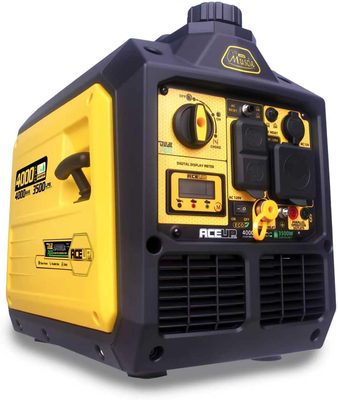 |
Aceup 4000W Dual Fuel Imported alternative |
Dual-fuel inverter · 3,200W gas / 3,000W propane running | $650.99 CAD | Propane backup when gas stations are closed | Aceup Dual Fuel — $650.99 CAD · 4.6★ (393) · Ships from Amazon | |
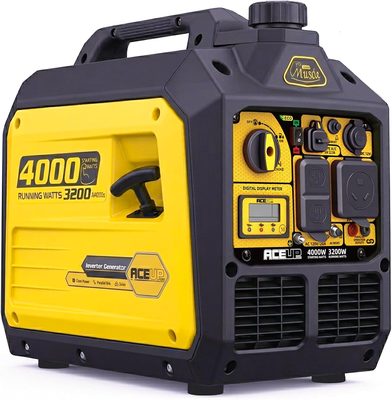 |
Aceup 4000W gas inverter Imported alternative |
Gas inverter · 4,000W starting / 3,200W running | $542.99 CAD | More headroom for a sump pump or furnace blower | Aceup 4000 gas — $542.99 CAD · 4.6★ (393) · Ships from Amazon | |
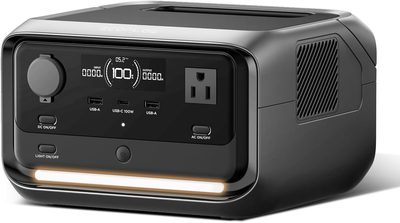 |
EcoFlow RIVER 3 Plus Imported · mid |
Power station · 286Wh / 600W, expandable | $329 CAD | More output for small appliances; add-on battery option | RIVER 3 Plus — $329 CAD · 4.3★ (156) · Ships from Amazon |
Aceup Dual Fuel — $650.99 CAD · 4.6★ (393) · Ships from Amazon
Imported · midRIVER 3 Plus — $329 CAD · 4.3★ (156) · Ships from Amazon
Prices, star ratings and review counts were checked on Amazon.ca on Sep 18, 2026 (ET) and can change. Products marked Imported alternative are not made in Canada.
FAQ
Can I run a generator in my garage if the door is open?
No. An open garage door does not clear carbon monoxide fast enough, and fumes can enter the house. Run generators outdoors at least 6 metres (20 feet) from windows, doors and vents.
Why won’t my generator start in the cold?
The usual causes are stale fuel, oil that is too thick for the cold, and a weak recoil pull. Use fresh stabilized fuel, the cold-weather oil grade in your manual, and test-run the generator before winter.
Can I charge a power station below freezing?
Usually not. Most lithium power stations shouldn’t be charged below about 0 °C. Bring it indoors to warm up first and check the charging range in your manual.